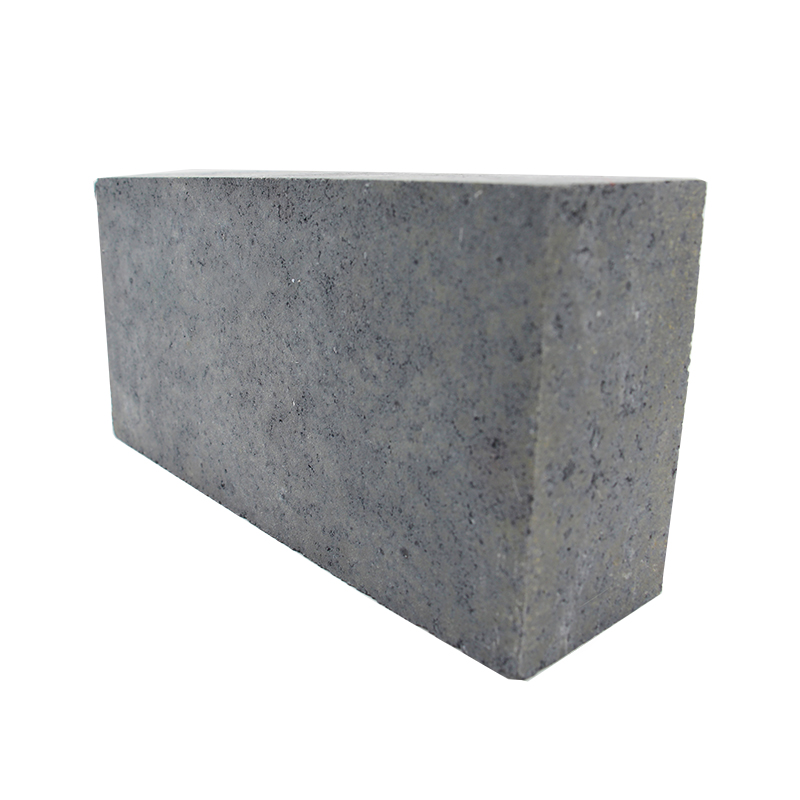
**Advancements in High-Quality Alumina Refractory Bricks and Industry Insights**The global industrial sector continues to witness significant enhancements in materials technology, particularly in the field of refractory bricks. High-quality alumina refractory bricks have emerged as a pivotal material, offering superior performance and durability in demanding environments such as steel manufacturing, cement kilns, glass production, and petrochemical industries.### Superior Performance of High-Quality Alumina Refractory BricksAlumina refractory bricks are renowned for their excellent resistance to high temperatures, corrosion, and chemical attack, making them an indispensable component in high-temperature industrial processes. The development of high-quality alumina refractory bricks has focused on optimizing properties such as thermal stability, mechanical strength, and abrasion resistance to meet the increasingly stringent requirements of modern industries.These bricks typically feature a high alumina content, often exceeding 70%, which contributes to their outstanding refractoriness and resistance to slag corrosion. Enhanced manufacturing techniques, including precise control of raw materials and advanced firing processes, ensure uniformity in microstructure and consistency in quality. The results are bricks that maintain structural integrity even under severe thermal cycling and mechanical stress.### Applications and BenefitsThe superior characteristics of high-quality alumina refractory bricks translate into several practical benefits for industrial users. These bricks significantly reduce downtime and maintenance costs by resisting wear and deformation over prolonged periods of operation. Their ability to withstand thermal shocks helps to preserve furnace linings and ensures stable operating conditions, thereby improving energy efficiency and product yield.In steelmaking, for instance, the adoption of high-quality alumina refractories has led to enhanced furnace life and improved metallurgical outcomes. Cement manufacturers benefit from higher kiln reliability and reduced clinker contamination. Glass producers enjoy better control over melting processes due to stable refractory performance, while petrochemical plants rely on these bricks for resistant linings in catalytic reformers and reactors.### Industry Trends and InnovationsThe refractory industry is continuously evolving, driven by environmental regulations, energy conservation goals, and demand for materials that support sustainable manufacturing. As part of this trend, research and development efforts focus on reducing the environmental footprint of refractory products by optimizing their composition and production processes.Innovations include the use of novel additives to enhance sintering behavior and increase lifespan, as well as the development of eco-friendly manufacturing techniques that minimize emissions and waste. Additionally, the integration of smart monitoring systems for real-time assessment of refractory condition is gaining traction, enabling predictive maintenance and further cost savings.### Company ProfileEstablished as a leader in refractory material production, the company at the forefront of this technological advancement boasts decades of experience in delivering high-performance alumina refractory bricks tailored to diverse industrial applications. With a dedicated research team and state-of-the-art manufacturing facilities, the company ensures consistent product quality and innovation.The company’s extensive product portfolio caters to sectors including metallurgy, cement production, glass manufacturing, and petrochemicals. By emphasizing customization and customer-centric solutions, they address specific operational challenges, providing refractory bricks that enhance efficiency, durability, and safety.Committed to sustainable practices, the company maintains rigorous quality control standards and invests in environmentally responsible technologies. Their global service network supports clients across continents, ensuring timely delivery and technical support.### ConclusionHigh-quality alumina refractory bricks represent a critical material innovation that underpins modern industrial efficiency and sustainability. Their advanced properties meet demanding operational conditions and contribute to cost-effective manufacturing processes across various sectors. Supported by industry leaders who blend tradition with innovation, the refractory industry is poised to continue its evolution, providing robust solutions for the challenges of tomorrow.As industries strive to improve performance while reducing environmental impact, high-quality alumina refractory bricks stand out as a testament to progress in materials science and industrial craftsmanship.
Read More